 Translate
Understand how things work.
Learn by doing.
Clear, bite-sized engineering and physics lessons across 26 fields — each with interactive practice, a knowledge check, and a DIY experiment you can try at home.
Learning Hub
Bite-sized lessons
Disciplines
Engineering & physics fields
Resources
Free learning links
What's new
All updatesAdmins and owners bypass game restrictions
Founders and admins can play every game without meeting the contribution threshold.
Fixed lessons getting stuck on practice & quiz
Guided practice and the knowledge check no longer trap you if generation fails or returns empty.
Games now unlock with community contributions
Science Wordle, Sudoku, Crossword, UNO, and Lyra Monopoly are now gated behind your contributions (forum posts + lessons completed).
This week's challenge
All challengesExoplanetary Transit Photometry Reconstruction
Design a high-precision experimental apparatus to simulate a multi-planet transit system using a single modulated light source and varied occluding masks. You must develop a signal processing protocol to extract individual planetary radii and orbital periods from the noisy aggregate light curve data, accounting for limb-darkening effects and sampling jitter. Ensure the final model can distinguish between transit depth variations and system noise at a confidence level of 3-sigma.
Materials: LED light source, PWM controller, opaque cardstock, circular aperture cutters, photodiode sensor, Arduino or equivalent microcontroller, and a data-logging interface.
Start learning
Browse all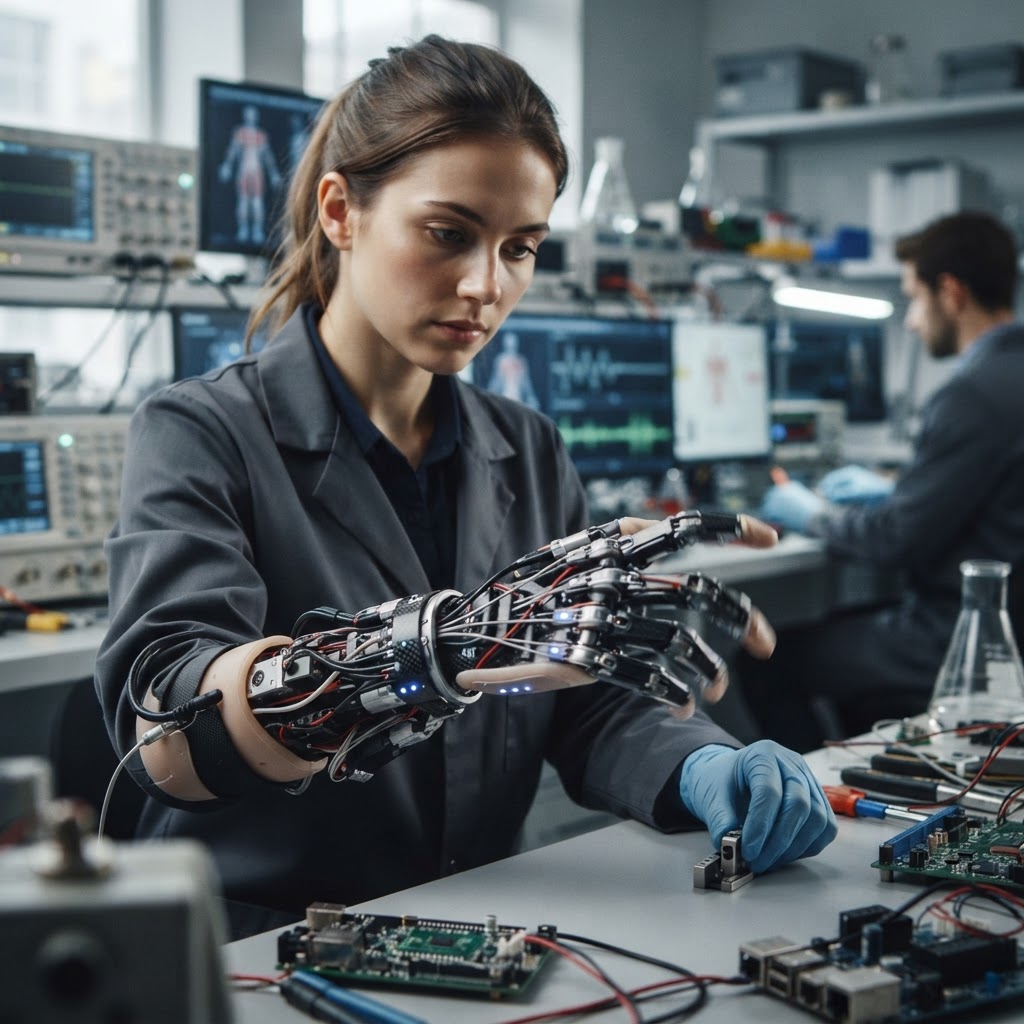
How a Prosthetic Hand Moves
How engineers copy the body's own signals to control a robotic hand.
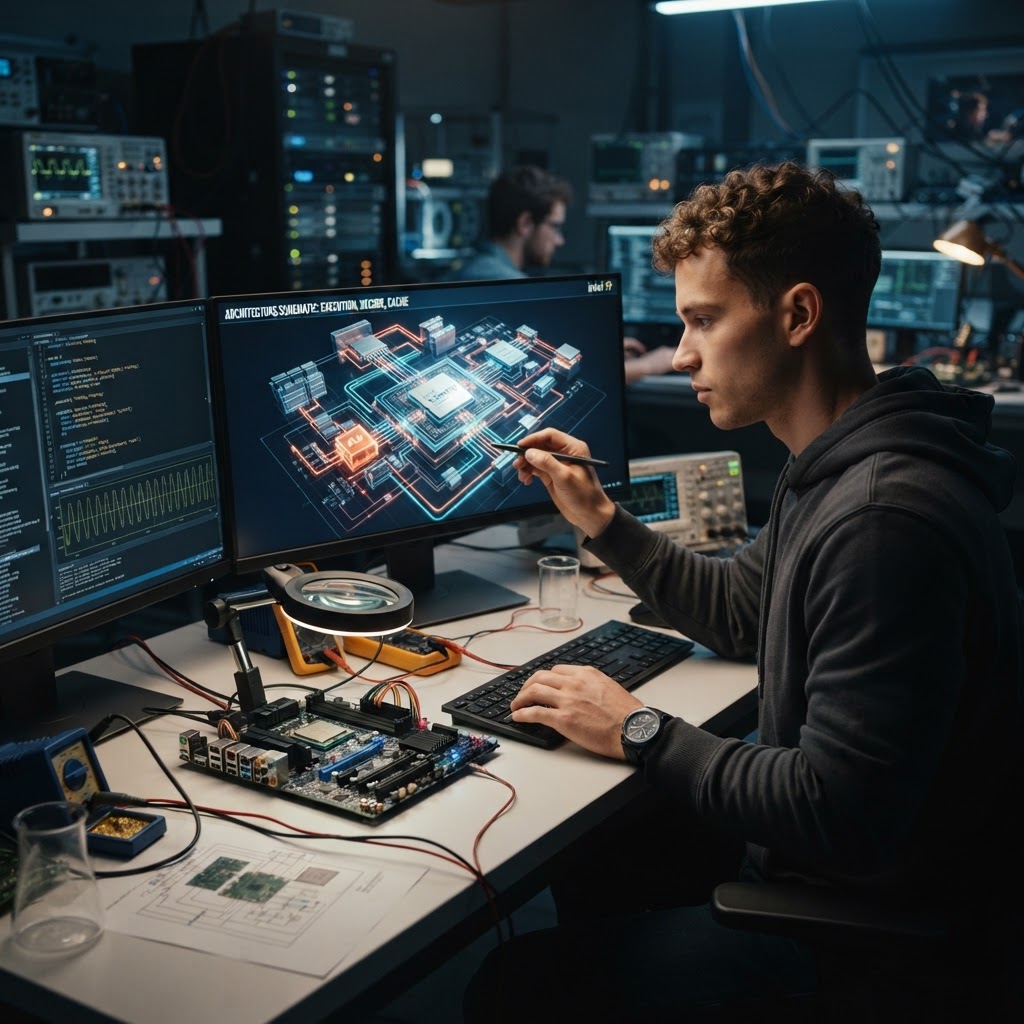
How a CPU Thinks (in 60 seconds)
A chip that does one tiny thing billions of times per second.
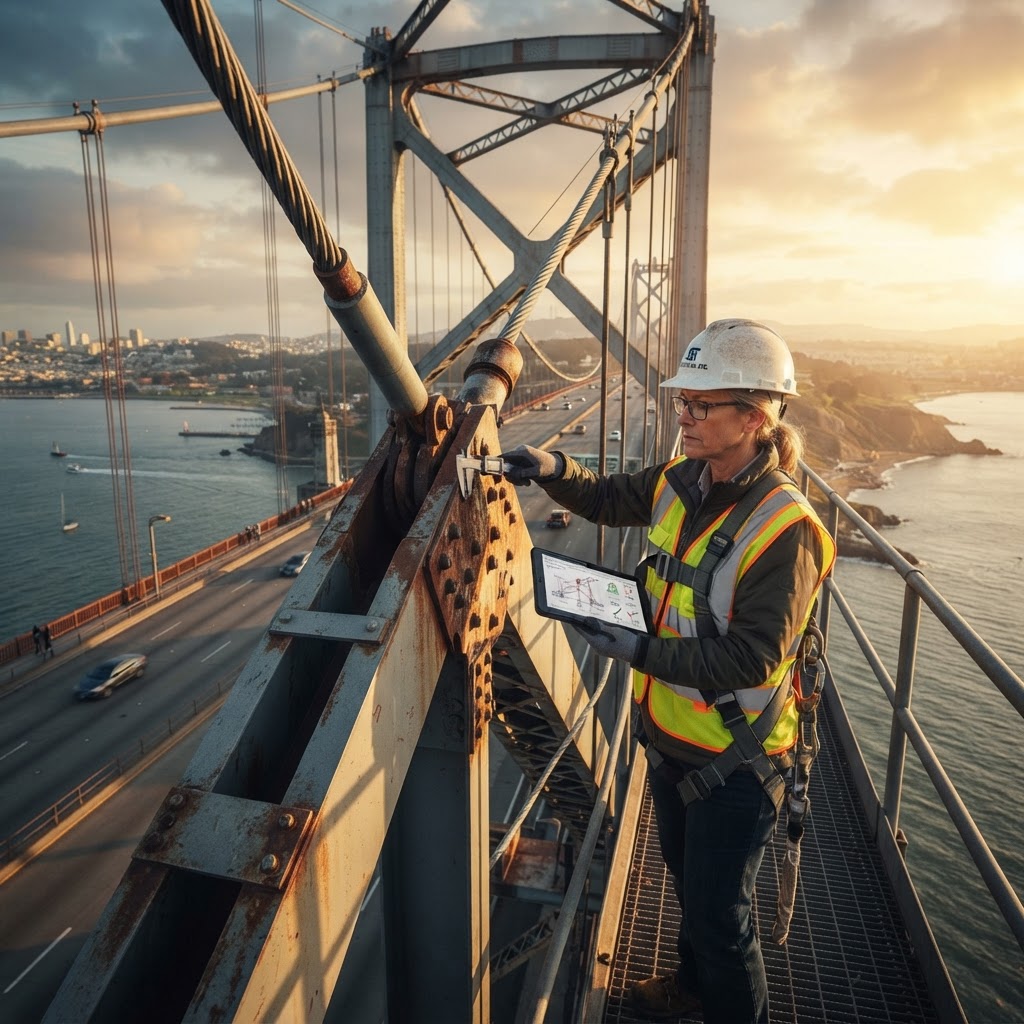
Why Bridges Don't Fall Down
The quiet battle between weight and support.
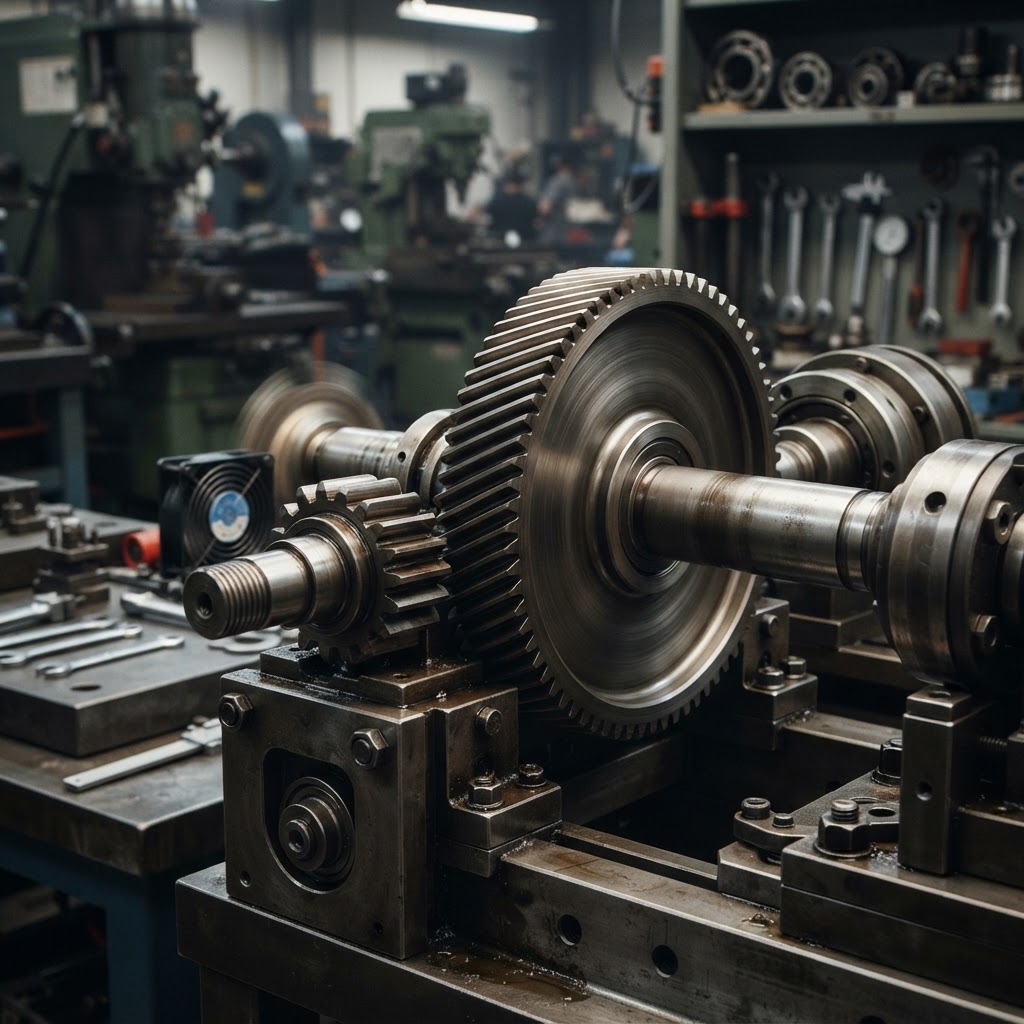
Gears: Trading Speed for Force
How spinning circles give you muscle — or speed.
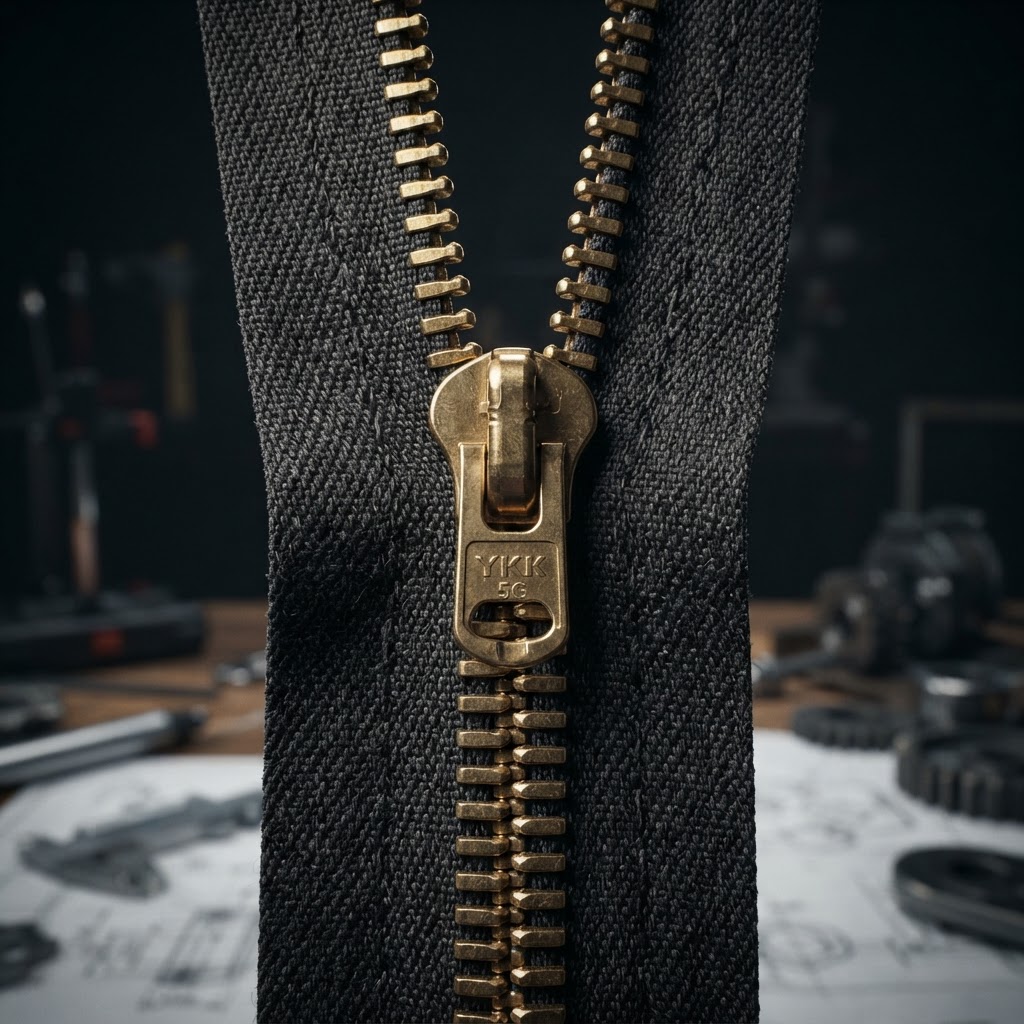
How a Zipper Works
Two rows of teeth that lock — and a slider that does the magic.
How LyraVegaSci works
Read
Clear, bite-sized lessons across engineering and physics, written for curious people.
Practice
Interactive guided problems and a knowledge check make sure it actually sticks.
Try it
Every lesson ends with a DIY experiment you can build at home with everyday materials.
