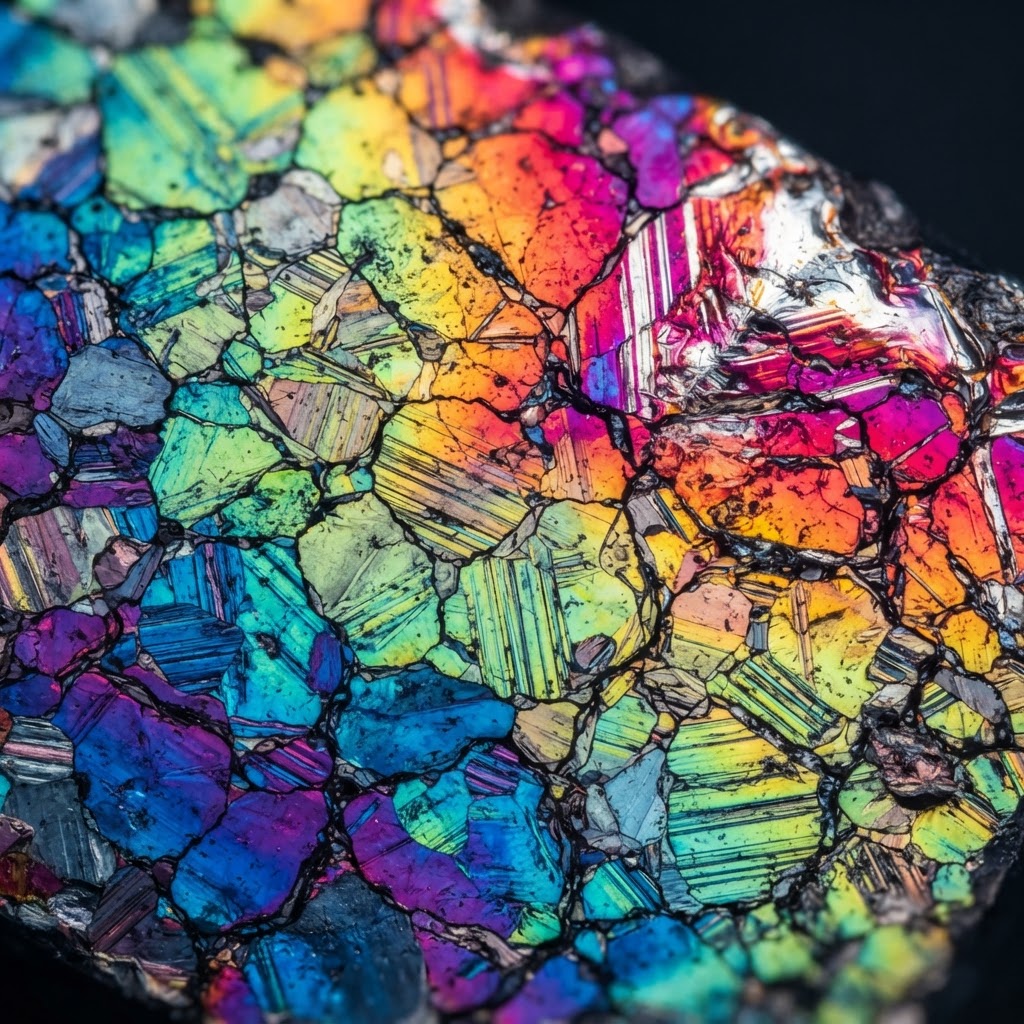
Phase Transformations: The Kinetics of Solid-State Change
Understanding how atomic mobility and cooling rates dictate the microstructure and final properties of alloys.
The Blueprint of Solidification
In materials engineering, the macroscopic properties of an alloy—such as hardness, ductility, and conductivity—are ultimately defined by its microstructure. This structure is not static; it is the result of thermodynamic equilibrium and the kinetics of phase transformation. A phase is defined as a chemically homogeneous, physically distinct portion of a system. When we alter the temperature of an alloy, we trigger atomic rearrangements that transition the material from one thermodynamic state to another.
The Role of Diffusion and Nucleation
Phase transformations are governed by two primary mechanisms: nucleation and growth. Nucleation involves the formation of small, stable clusters of a new phase within the parent phase. This process requires overcoming an activation energy barrier associated with the creation of an interfacial boundary. Once stable nuclei form, the transformation proceeds through growth, which relies heavily on diffusion.
Diffusion is the temperature-dependent process of atomic migration. In high-temperature regimes, atoms possess high mobility, allowing them to rapidly reposition themselves into stable, low-energy lattice configurations. As the temperature drops, diffusion rates plummet, effectively 'freezing' the microstructure in a metastable state. This principle is the cornerstone of heat treatment. For example, by quenching (rapid cooling), we bypass the time-dependent diffusion required for the formation of soft, equilibrium phases like pearlite, instead favoring the formation of martensite—a metastable, highly strained, and exceptionally hard phase.
The TTT Diagram
To predict the outcome of a transformation, engineers utilize Time-Temperature-Transformation (TTT) diagrams. These plots map the percentage of phase transformation against time and temperature for a specific alloy. The 'nose' of the TTT curve represents the point of maximum transformation rate. By manipulating cooling paths, engineers can navigate these curves to achieve specific mechanical profiles, such as increasing the toughness of a steel component while maintaining its core hardness. Mastering these kinetic variables allows for the precision engineering of performance-critical materials, moving beyond trial-and-error toward deterministic material design.
Try this at home
Observe Rapid Cooling (Quenching)
Take a thin, unhardened steel paperclip. Heat the center of the wire until it glows bright cherry red using a standard kitchen torch or gas stove burner. Quickly plunge the hot wire into a container of room-temperature water. Compare the flexibility of the quenched section to the rest of the clip; you will notice the treated section has become brittle and will snap upon bending, demonstrating the creation of a high-hardness, low-ductility microstructure.