Corrosion: The Invisible Enemy
Learn the chemical processes that degrade materials and how engineers fight back.
The Nature of Corrosion
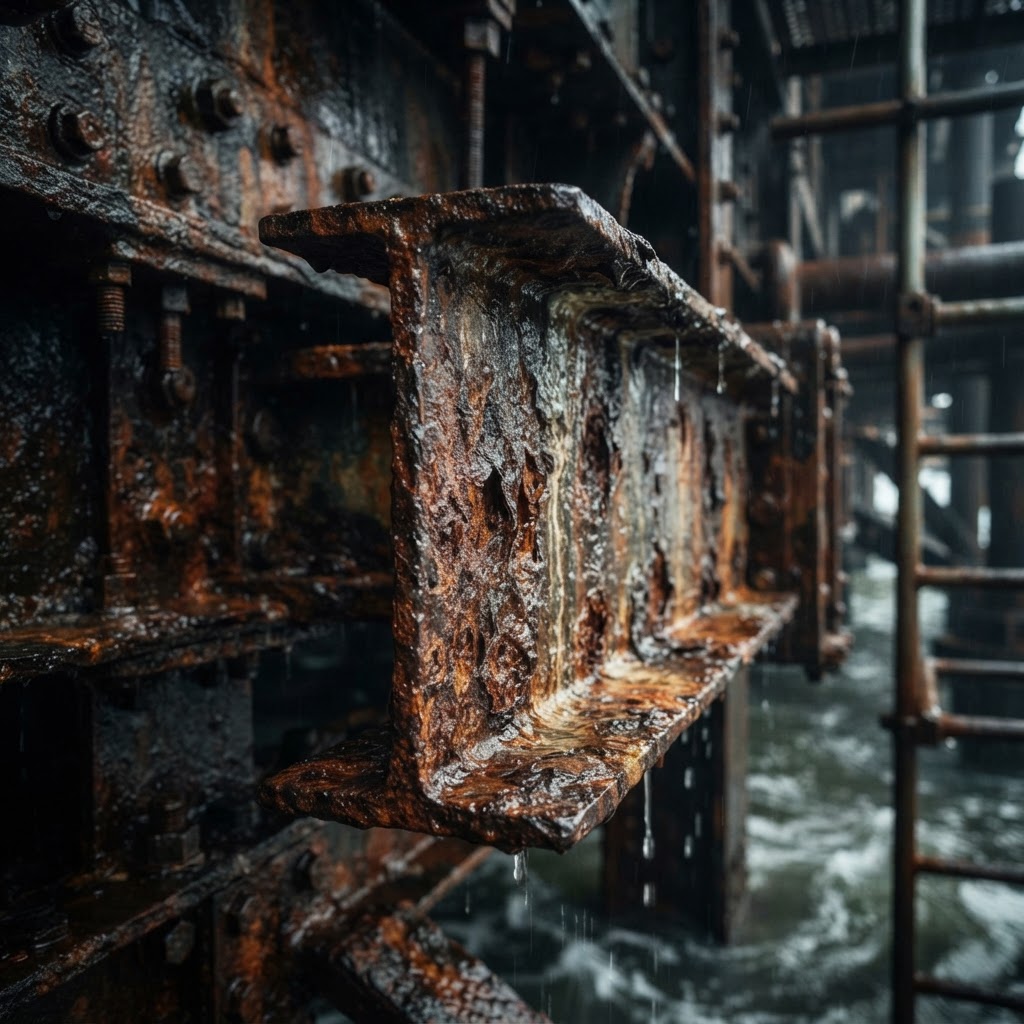
Corrosion is a natural process where a refined metal reverts to its more chemically stable form, such as an oxide or hydroxide. It is essentially nature's way of reclaiming the energy that humans used to extract and purify metals from ore. The most common form of this is the rusting of iron, where oxygen and moisture react with the surface of the metal. Over time, this process consumes the material, leading to structural failure and significant economic loss.
The Electrochemical Cell
At its heart, corrosion is an electrochemical reaction. It requires three components: an anode, a cathode, and an electrolyte (usually water containing dissolved salts). When these components form a circuit, electrons flow from the metal (the anode) to the surrounding environment. This flow strips away atoms from the surface of the metal, creating pits and rust. Even in dry environments, pollutants can provide the necessary electrolyte, accelerating the decay of structures like bridges and pipelines.
Engineering Protective Barriers
Engineers fight corrosion using several clever strategies. The most common is the application of protective coatings, such as paint or plastic, to act as a physical barrier. Another sophisticated method is 'sacrificial protection,' where a more reactive metal—like zinc—is attached to the primary structure. This zinc, known as a 'galvanic anode,' corrodes preferentially, effectively 'sacrificing' itself to save the iron underneath. By understanding the chemistry of the environment, engineers can select the right materials to ensure infrastructure lasts for decades.
Try this at home
Fill three clear glasses with water. In the first, place a clean steel nail. In the second, place a steel nail and add a teaspoon of salt. In the third, wrap a piece of magnesium or a small zinc-coated galvanized nail around a steel nail before placing it in water. Leave them for 48 hours. You will observe the most corrosion in the salt water and the least in the third glass. The magnesium acts as a sacrificial anode, pulling the corrosion reaction away from the steel nail, demonstrating how we protect ships and underground pipes.