Composting and Nutrient Cycling
Learn how organic waste transforms into valuable soil fertilizer.
The Science of Decomposition
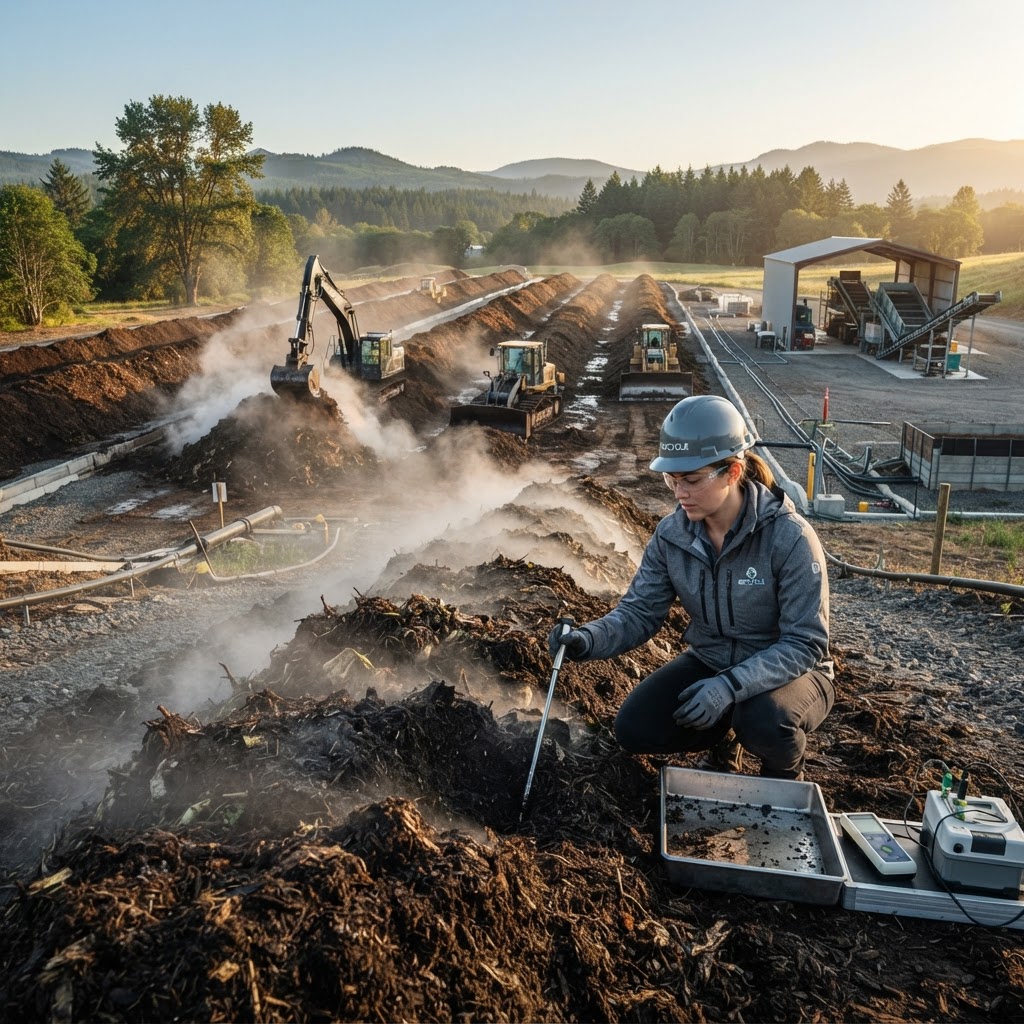
Composting is essentially nature's way of recycling. Through the action of microorganisms, bacteria, and fungi, organic materials like fruit peels, leaves, and coffee grounds break down into humus. This dark, crumbly substance is packed with nutrients that help plants grow stronger and more resilient. It is a vital process in circular environmental engineering.
Managing the Green and Brown Ratio
To build an effective compost pile, engineers look at the balance of 'greens' and 'browns.' Greens provide nitrogen, which helps fuel the microorganisms. Examples include vegetable scraps and grass clippings. Browns provide carbon and include materials like dry leaves, cardboard, and twigs. Maintaining a healthy ratio, usually around 1:3 by volume, ensures that the decomposition process stays aerobic and odorless.
Benefits for Sustainable Systems
When we compost, we divert organic waste from landfills, where it would otherwise release methane, a potent greenhouse gas, as it decomposes in anaerobic conditions. By keeping organic matter in our local ecosystems, we reduce the need for synthetic, petroleum-based fertilizers and improve the water-holding capacity of the soil, preventing erosion.
Try this at home
Create a mini-compost jar to witness decomposition in real-time. Use a clean, empty glass jar and punch small air holes in the lid. Add a base layer of shredded paper (browns), followed by a layer of vegetable scraps like apple cores or lettuce (greens). Sprinkle a little soil on top to introduce microbes, and add just enough water to keep it damp. Close the lid and place the jar in a warm spot. Turn the contents with a small spoon every few days. Observe how the volume decreases and the materials change color and texture over two weeks.