 Translate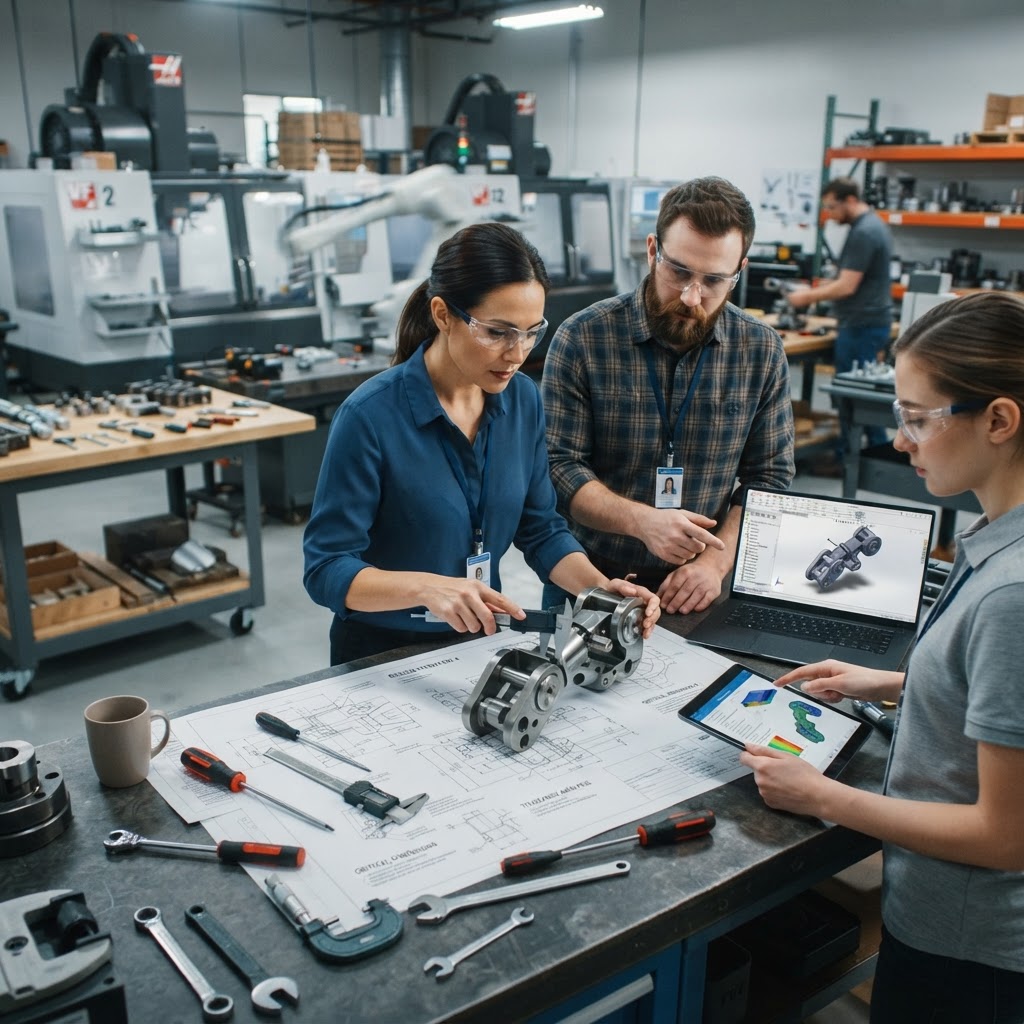
Understanding the Engineering Design Process
An introduction to how products move from initial ideas to finished goods.
From Concept to Reality
The engineering design process is the backbone of manufacturing. It begins with identifying a specific problem or need, such as creating a more ergonomic kitchen tool. Once the need is identified, engineers brainstorm potential designs, considering material limitations and safety standards.
Prototyping and Iteration
After selecting a design, engineers build a prototype. This is a simplified version of the final product used to test functionality. During this stage, errors are common and encouraged. By testing how a prototype holds up under stress, engineers identify weaknesses and refine the design. This cycle of testing and improving is what makes modern products reliable and efficient.
Finalizing for Production
Once the design is validated, it enters the production planning phase. This involves deciding which manufacturing techniques—like injection molding or machining—will produce the part most cost-effectively. Documentation is created, ensuring that every unit produced meets the exact specifications set by the design team.
Try this at home
To experience the design process, try to build a stand for your smartphone using only recycled cardboard and tape. First, sketch your design on paper. Build your first prototype and place your phone on it. Did it tip over? Was the angle wrong? Document what failed, then modify your cardboard cuts and tape placement to improve the stability. Repeat this three times to see how each iteration makes the final product more effective. This reflects how engineers refine parts before full-scale manufacturing.
