 Translate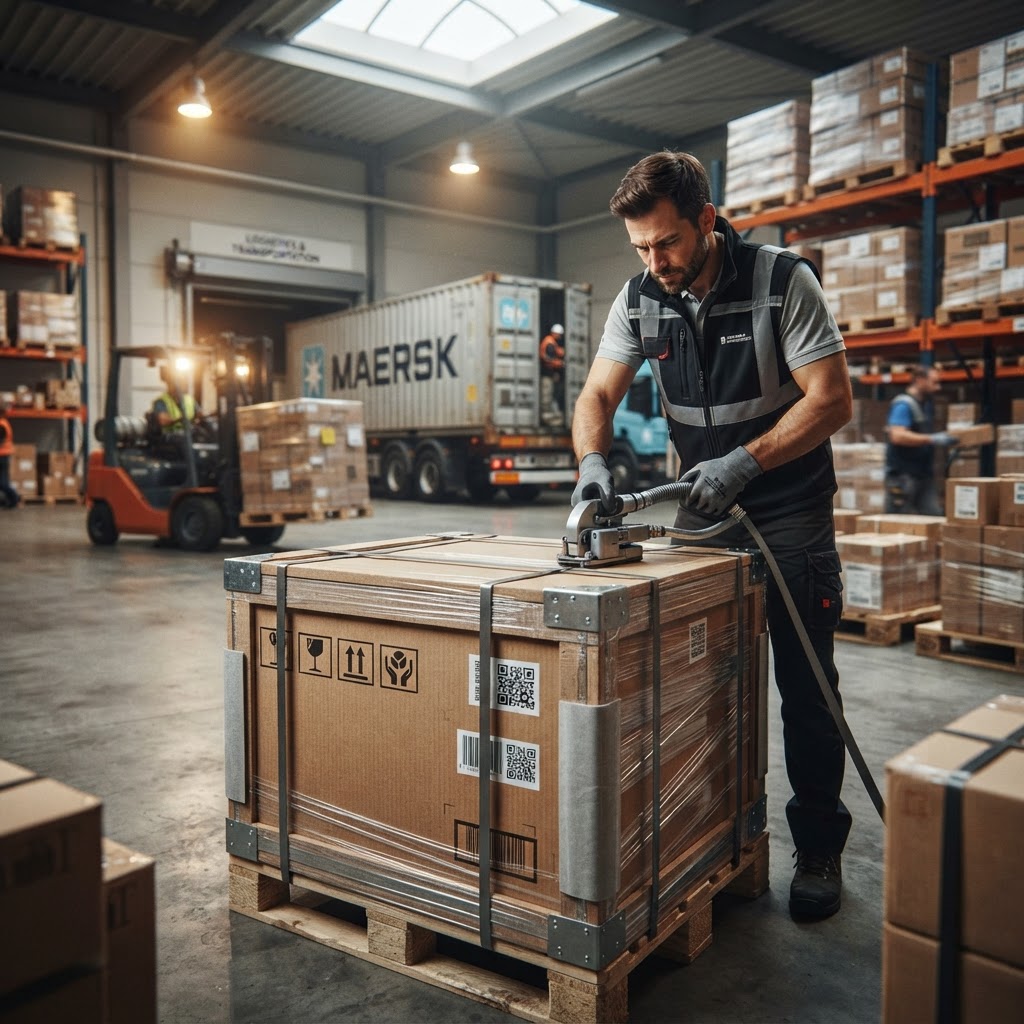
Packaging for Protection and Profit
How material choices and package size impact shipping efficiency.
The Engineering of Protection
Packaging is more than just a box. It is an engineering solution designed to protect products from vibrations, drops, and temperature shifts during transit. If a product arrives broken, the costs include not only the replacement of the item but also the shipping costs for the return and the loss of customer goodwill. Engineers must perform drop tests and stress tests to determine the minimum amount of material needed to keep a product safe.
Dimensional Weight
Shipping companies charge based on either actual weight or 'dimensional weight' (the amount of space the package occupies). This means that a large box filled mostly with air is expensive to ship, even if it is light. Logistics engineers focus on 'right-sizing' packaging to ensure products are packed tightly. Reducing box size by even a few inches can lead to massive savings when shipping millions of units across the globe.
Material Science in Logistics
Sustainability is pushing engineers toward new materials. The goal is to move away from non-recyclable plastics and heavy packing peanuts toward lightweight, biodegradable, and impact-resistant materials. By rethinking the geometry of packaging and using smart materials, companies can reduce their carbon footprint and lower shipping costs simultaneously, proving that good design is good for both the planet and the bottom line.
Try this at home
Find a fragile item (like an egg or a glass mug) and three different packing materials from your house (e.g., bubble wrap, crumpled newspaper, or towels). Create two different packages for your item using different materials. After sealing them, gently drop them from a height of one foot onto a soft surface. Open them to inspect the item. You are performing a 'shipping stress test.' Evaluate which material provided the best protection with the least weight, illustrating how engineers balance material costs with damage prevention.
