Introduction to Containerization
Learn how standardized containers revolutionized global trade efficiency.
The Standardization Revolution
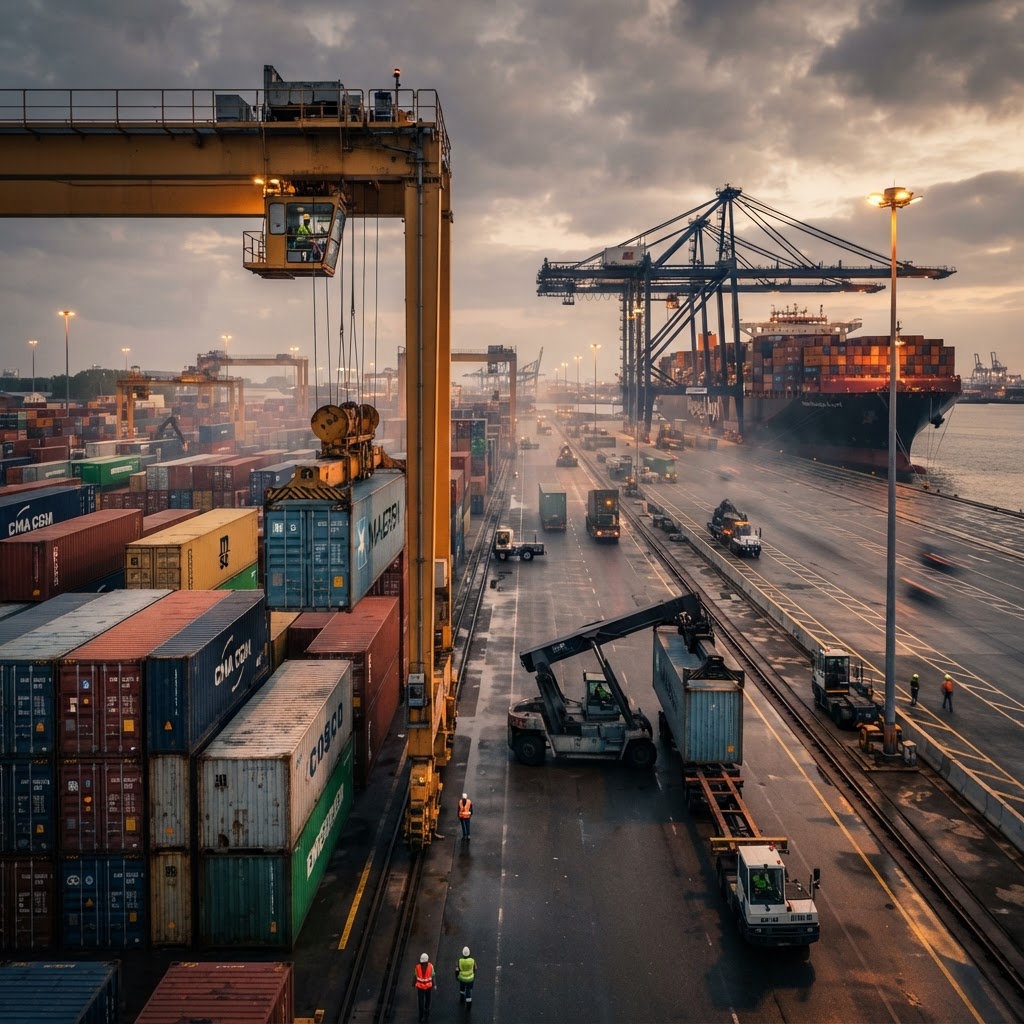
Before the 1950s, cargo was loaded by hand in boxes, barrels, and bags. This was slow, expensive, and prone to theft. The introduction of the intermodal shipping container, which can be moved from ship to train to truck without being unpacked, changed everything. Containerization allows for standardized handling, which drastically lowers the cost of global logistics.
Intermodal Synergy
Intermodal logistics involves the movement of freight using two or more modes of transport. The container is the bridge between these modes. Because the container is standardized in size and corner-casting design, port cranes, train flatcars, and semi-truck trailers are all built to accept the same hardware. This synergy eliminates the need to handle individual goods during transit, keeping products secure and reducing dwell time at transfer points.
The Role of Logistics Engineers
Engineers work to ensure that the global container network remains balanced. Empty containers are a significant cost burden; if a ship arrives at a port, it must find a way to reload that container for the return trip or pay to reposition it. Engineers use predictive software to match supply and demand, ensuring that empty boxes are moved to where they are needed most, thereby maximizing the return on investment for shipping assets.
Try this at home
Take several cardboard boxes of different sizes and try to pack them tightly into a larger suitcase or plastic bin. Note the 'wasted space' where boxes don't fit perfectly. Now, cut small pieces of cardboard to create 'fillers' or redesign the arrangement to be more geometric. Measure the volume utilization of the original versus the optimized pack. This teaches you about container loading factor and the importance of standardizing sizes to reduce shipping costs by maximizing volume.