 Translate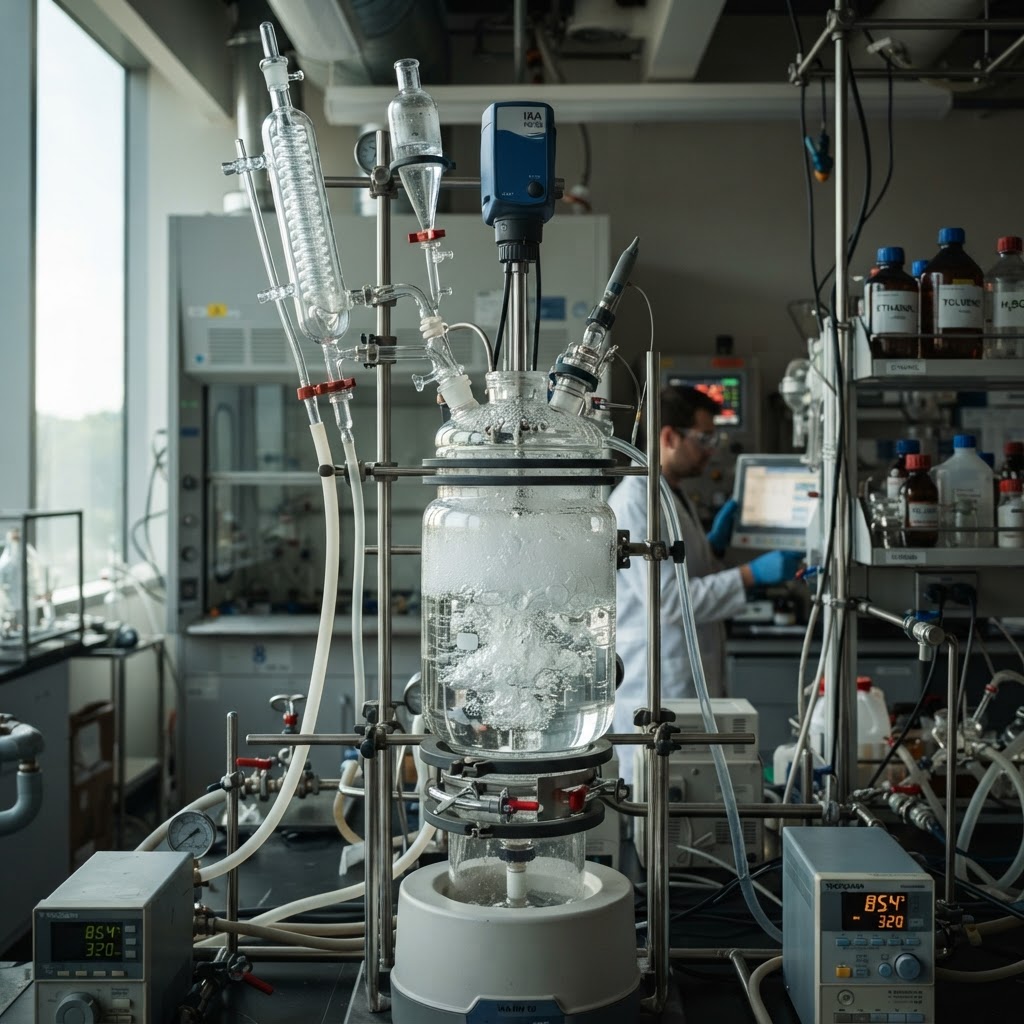
The Fundamentals of Distillation
Learn how engineers use boiling points to separate mixtures.
Separation Science
In chemical engineering, we often start with mixtures and need to isolate specific components. Distillation is one of the most common methods used in industry, especially for refining petroleum or producing alcohol.
Boiling Point Differences
Distillation works by heating a liquid mixture until it boils. Because different substances have different boiling points, they turn into vapor at different times. The vapor is then collected and cooled back into a liquid through a process called condensation. By carefully controlling the temperature of the column, engineers can draw off the desired chemical as a purified product.
Continuous Distillation
While a simple batch distillation happens in a single pot, industrial plants use tall towers. Inside these towers, vapor moves upward while liquid moves downward, creating a continuous exchange that allows for very high purity levels. It is a precise dance of thermodynamics and mass transfer that powers much of the modern fuel industry.
Try this at home
Create a simple solar still at home. Place a bowl of saltwater inside a larger container. Put a smaller, empty cup in the center of the bowl, ensuring it stays dry. Cover the large container with plastic wrap and place a small weight in the center so the plastic dips above the cup. Place it in the sun. As the water evaporates, it condenses on the plastic and drips into the center cup. You will find fresh, salt-free water in the cup, illustrating how distillation separates substances based on volatility.
