 Translate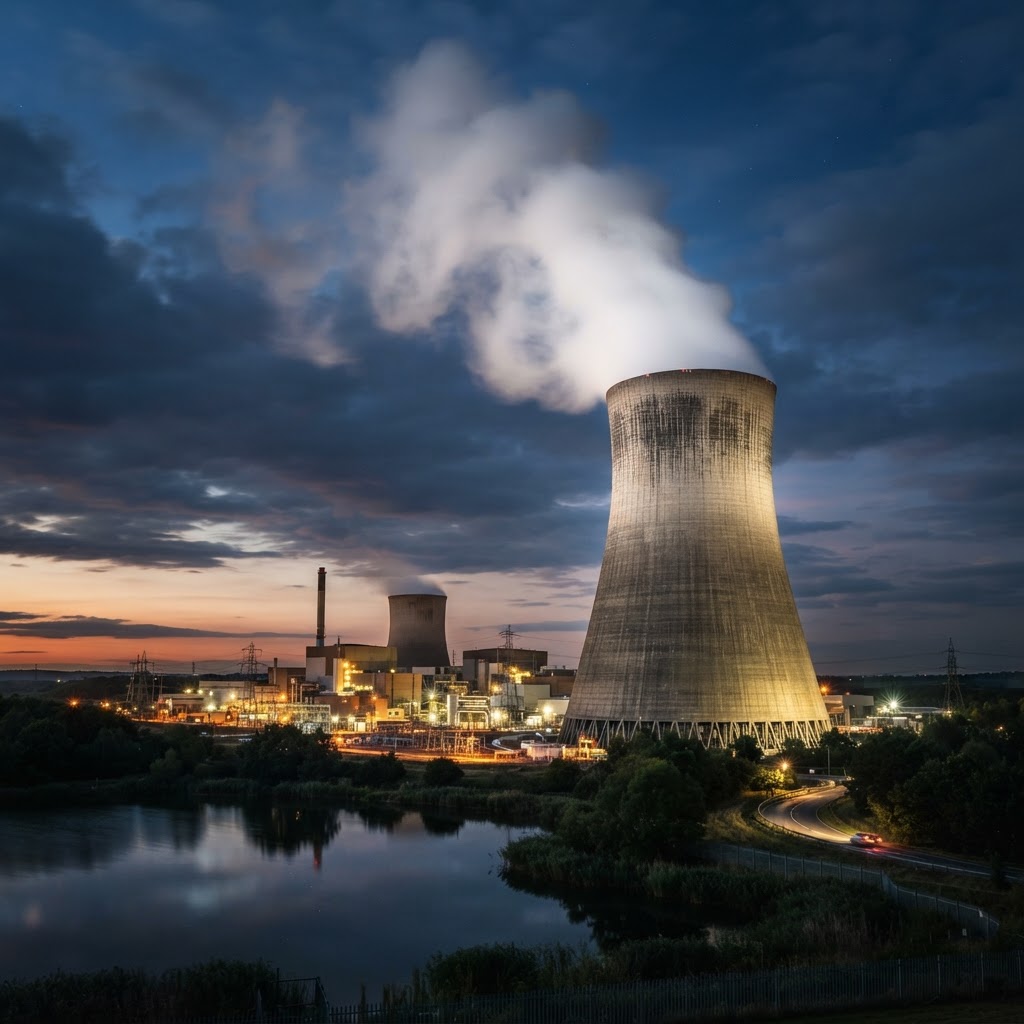
Atoms and Energy
Understanding the fundamental building blocks of nuclear energy production.
The Heart of Matter
At the center of every atom lies the nucleus, a dense cluster of protons and neutrons. In nuclear engineering, we focus on the energy stored within these tiny structures. When certain large atoms, like Uranium-235, are struck by a neutron, they can undergo a process called fission. This splits the atom, releasing a tremendous amount of heat energy and more neutrons.
Harnessing Heat
This released energy is not magical; it is pure thermal energy. In a nuclear power plant, we use this heat to turn water into high-pressure steam. This steam then spins massive turbines connected to generators, producing electricity for our homes. It is conceptually similar to how a coal plant works, but instead of burning fossil fuels, we rely on the precise manipulation of subatomic particles to generate heat.
Sustaining the Chain
For a reactor to function, it needs a self-sustaining chain reaction. One fission event releases neutrons that hit other atoms, causing them to split in turn. Engineers use control rods made of materials like boron or cadmium to absorb excess neutrons. By moving these rods in or out of the reactor core, operators can speed up or slow down the reaction, ensuring a steady and safe power output.
Try this at home
To visualize a chain reaction, grab a box of wooden matches. Arrange them on a non-flammable tray in a grid pattern. Light the first match and watch how it sets off its neighbors. This represents the 'chain' part of the reaction. To simulate 'control rods,' place thin metal strips or pieces of aluminum foil between some of the matches. Observe how these barriers stop the fire from spreading to the rest of the grid. This simple visual demonstrates how nuclear engineers use neutron-absorbing materials to regulate the intensity of a reaction within a reactor core.
