 Translate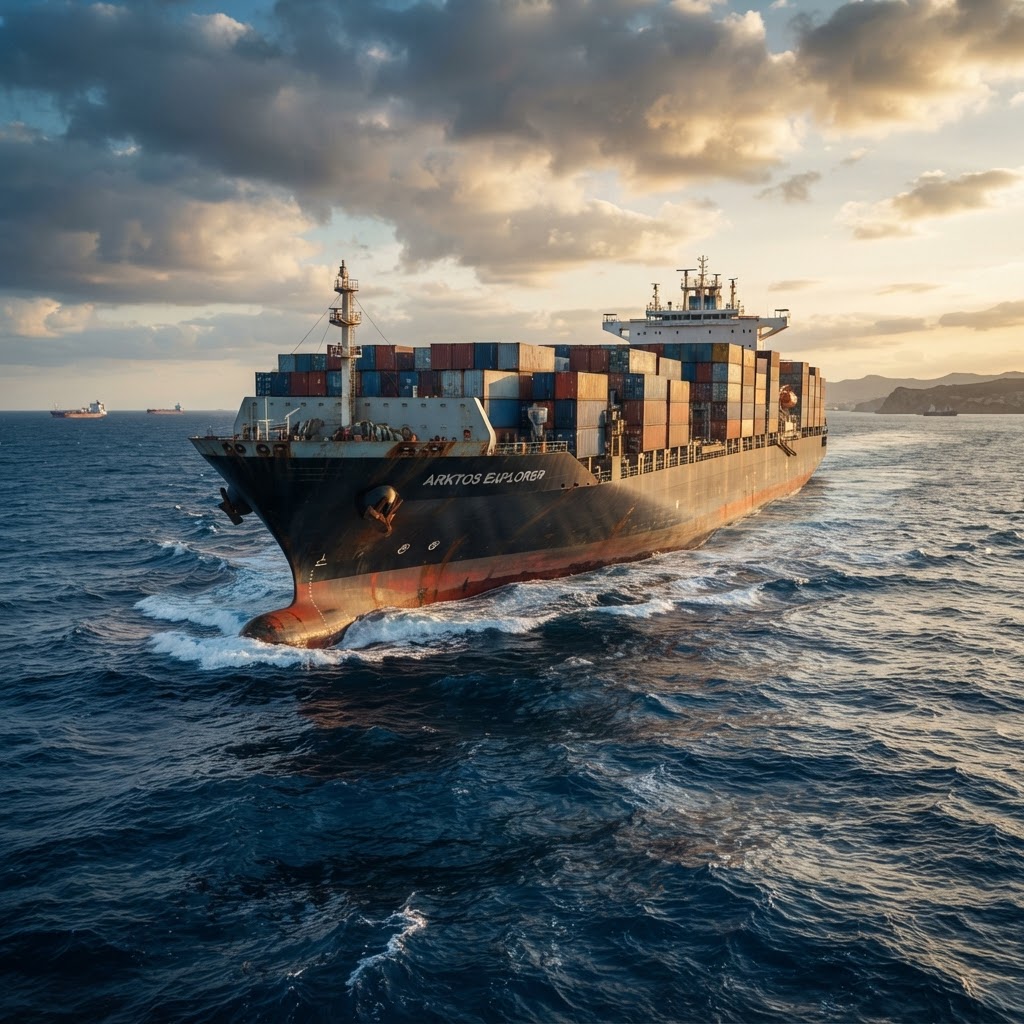
Why Do Ships Float?
The ancient science of buoyancy explained simply.
It seems impossible that a massive steel tanker weighing thousands of tons stays on top of the water while a tiny rock sinks instantly. The answer lies in Archimedes' Principle. Basically, when an object is in water, it pushes water out of the way. If the object weighs less than the water it displaces, it floats! Marine engineers design ships to be giant, hollow containers. Because they are mostly filled with air, their average density is much lower than the density of water. But it is not just about floating; it is about stability. Engineers use a concept called the center of gravity and the center of buoyancy. They make sure the heavy parts of the ship, like the engine and the fuel, are as low as possible, while the lighter, airy parts are high up. This creates a 'righting moment' that pulls the ship back to vertical if a wave tips it over. By mastering these forces, engineers create vessels that can weather the fiercest ocean storms without capsizing.
Try this at home
Take a lump of clay and drop it in water; it sinks. Now, reshape that same lump of clay into a 'boat' shape with high sides. It will float! The shape changes how much water it pushes aside.
