 Translate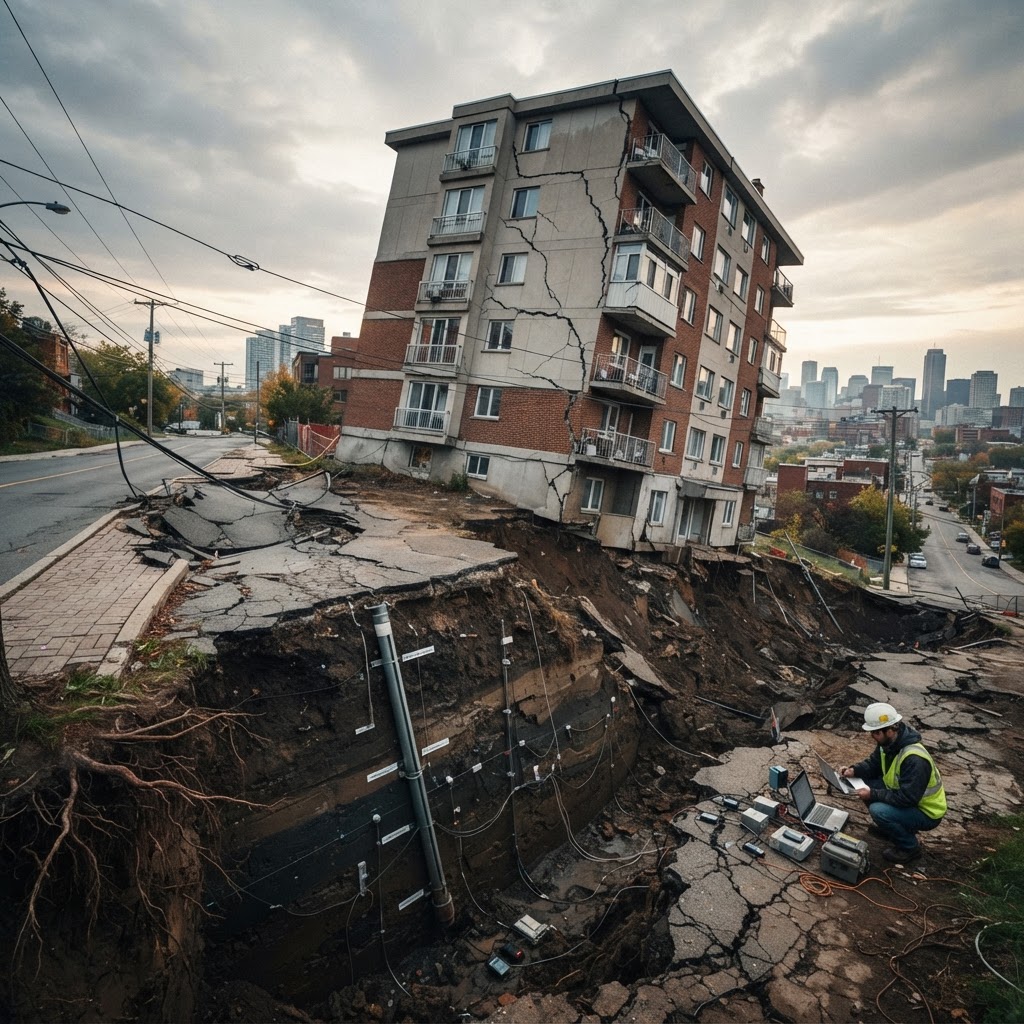
Why Dirt Moves: Understanding Soil Settlement
Discover why buildings sink and how engineers stop it from happening.
Ever noticed a sidewalk that seems to have sunk into the ground or a building with a crack in the foundation? That is usually soil settlement. At its simplest, soil is just a collection of solid particles, water, and air trapped in little pockets. When you put a heavy weight on top—like a skyscraper—you are squeezing those air and water pockets out. Think of it like a sponge: when it is wet and full, it is plump. But when you step on it, the water squirts out and the sponge flattens. Engineers study soil mechanics to predict how much a building will sink before they ever pour a single drop of concrete. They use testing equipment to see how dense the soil is and how much 'give' it has. If the soil is too soft, they might drive deep piles—essentially giant metal or concrete pillars—down until they hit solid rock, effectively bypassing the squishy stuff. It is all about making sure the ground under your feet is as stable as possible. By understanding how particles behave under pressure, engineers can build safe, level structures that last for decades without shifting unexpectedly.
Try this at home
Fill a tall glass with damp sand and tap it on the table repeatedly. You will notice the sand level dropping as the air escapes and the particles settle tighter together. This is a mini-model of soil consolidation!
